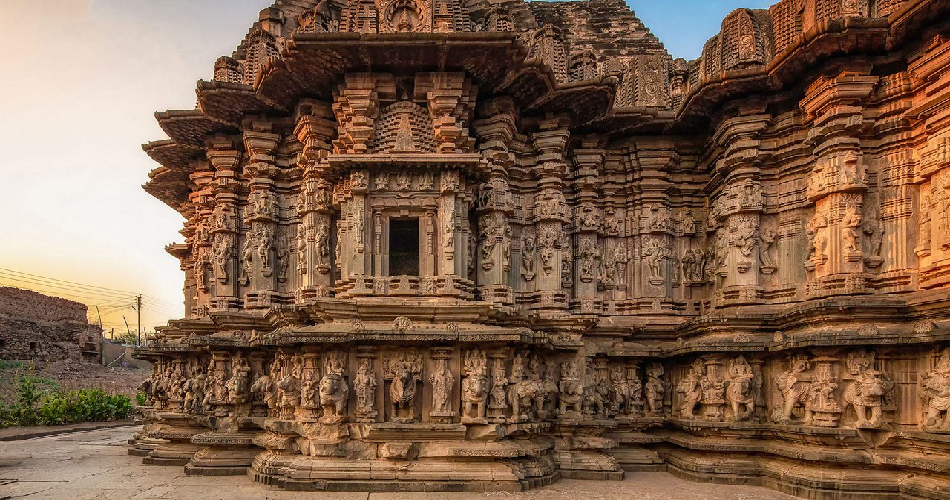
Here’s a 3‑day travel itinerary for visiting Kolhapur — along with a table of major places to visit, approximate popularity / typical visit‑time, and fees (where known).
Day 1 — Explore the City & Heritage Heart
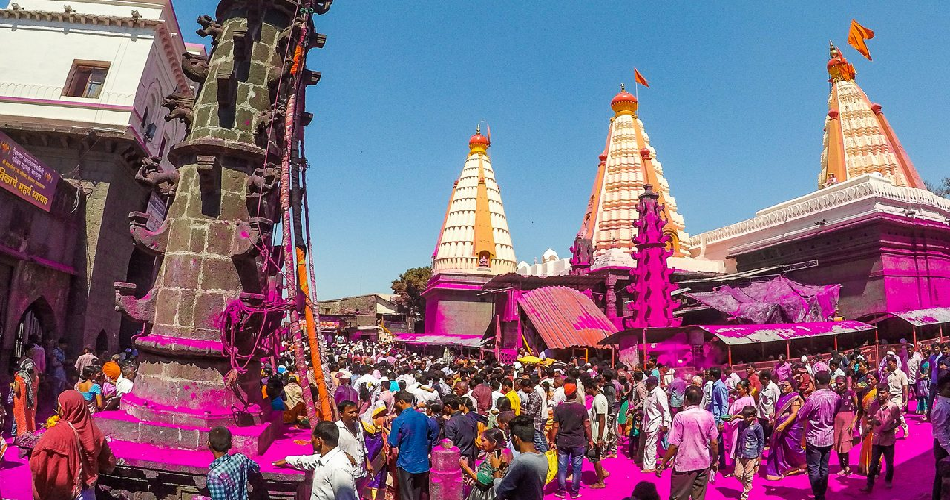
- Morning: Visit Mahalaxmi Temple — a historic and spiritual must‑see. Start early (temple opens early), soak in the devotion, and explore the temple surroundings.
- Late Morning: Walk to nearby Bhawani Mandap and then head to New Palace (also called the old royal residence/museum) to see royal‑era architecture and heritage.
- Afternoon: Visit Town Hall Museum or explore local markets around the city. Grab lunch at a local eatery.
- Evening: Head to Rankala Lake — good for a relaxed stroll, sunset views, maybe boating or enjoying lakeside ambience. Then take a peaceful walk to Panchganga Ghat along the river for a river‑front experience.
Why this works: Gives you a mix of heritage (temple, palace, museum), local life (markets, ghat), and relaxing atmosphere (lake + riverfront), all within city‑limit / near each other.
Day 2 — History, Fort & Scenic Views
- Morning – Midday: Take a trip to Panhala Fort (around 20–22 km from city centre). Explore the fort, its bastions, history, and enjoy panoramic views of the Sahyadri hills and surrounding landscape.
- Afternoon: On your way back (or if you stay near), visit Jyotiba Temple — a hill‑top temple complex that offers scenic views and spiritual ambience (especially if you go around sunset).
- Evening: Return to Kolhapur, enjoy local cuisine (don’t miss Kolhapuri specialties), stroll around local markets or areas near Rankala / city centre — relax and absorb the local vibe after a history‑filled day.
Day 3 — Mix of Culture, Leisure & Offbeat Spots
- Morning: Explore lesser‑known or spiritual/historical spots like Kopeshwar Temple or Siddhagiri Math (depending on your interest & logistics) or revisit your favourite spot from first two days.
- Late Morning – Afternoon: Spend time shopping for local crafts — maybe local leather goods or “Kolhapuri” specialties — or try local food. Enjoy a relaxed lunch and stroll around.
- Evening: Wrap up with a return to city‑centre lakes or ghats (Rankala / Panchganga), enjoy sunset/river‑front tranquillity, grab dinner, and prepare for departure (or further travel).
Why this works: Gives you a flexible day — good for relaxing, off‑beat exploration, local culture & shopping, and revisiting favorite spots before leaving.
Places – Popularity / Visit-Time / Fees
Here is a table of major places in Kolhapur, along with rough popularity, how much time you might spend there (on average), and entry/fees (if known).
| Place / Attraction | Popularity / Notes | Est. Time Spent* | Approx. Entry / Fees / Remarks |
|---|---|---|---|
| Mahalaxmi Temple | Most iconic, top‑visited temple/shakti peetha | 1–2 hours (longer if waiting for darshan) | Generally free — darshan is free; optional “Abhishek puja” ₹751 for priority darshan |
| Rankala Lake | Very popular for evening strolls, lake views, relaxed vibe | 1–2 hours (evening/boating) | Mostly free (public access). Boating / other activities may have small charges (varies locally) |
| New Palace (Shri Chhatrapati Shahu Museum / Royal Palace) | Popular heritage spot, royal history | 1–2 hours | ~ ₹30 per adult entry (common report) |
| Town Hall Museum | Good for history buffs, central location | 1–1.5 hours | Nominal or small fee (varies — many city museums in Kolhapur are low-cost or free; confirm locally) |
| Bhawani Mandap | Religious / historical spot near Mahalaxmi; part of heritage circuit | 30–60 minutes | Free (temple / open heritage site) |
| Panhala Fort | Major historic fort, for history + scenic views outside city | 3–4 hours (allow travel + exploring fort) | Entry generally free or minimal — but transport/taxi costs applicable |
| Jyotiba Temple | Popular pilgrimage + hill‑top views (outside city, ~18 km) | 1–2 hours (plus travel time) | Usually free (temple access) |
| Kopeshwar Temple / Other small temples & mathas (e.g. Siddhagiri) | Good for off‑beat, spiritual, less‑crowded visits | 1–1.5 hours | Free (temples) |
*Estimated time includes arrival, brief rest/strolls, photography, and some waiting (if crowded).
Travel Tips
- Best time to visit Kolhapur: October to February — pleasant weather for sightseeing.
- Start early for major temples (like Mahalaxmi) to avoid rush / get better darshan.
- For Panhala Fort & Jyotiba Temple — plan full half‑day, and factor in travel time (as these are outside city‑center).
- For evening leisure, Rankala Lake and Panchganga Ghat provide great sunset/relax spots — ideal after a full day of sightseeing.
- Try local cuisine and — if time permits — explore local handicrafts or markets for souvenirs.

