Introduction
Transport plays a major role in daily life and business. A company may need a pickup for a delivery. A visitor may need a car for a short trip. A local worker may prefer a motorcycle for daily travel. Buying every vehicle can place pressure on a budget. Renting offers another way to meet these needs. It lets people choose transport based on each journey. Vehicle owners can also explore rental opportunities for suitable vehicles. This guide explains how renters and owners can make careful choices across Africa. It covers cars, motorcycles, pickup trucks, and peer-to-peer rental options.
1. Car Rental Buea Cameroon: Supporting Local Travel and Business Needs
Buea serves different types of travellers and local businesses. Some people need transport for meetings. Others need a car for family visits or work trips. A rental car can help when public transport does not suit the journey.
Before choosing a car, think about the trip. A small car may suit city travel. A larger vehicle may help when several people travel together. Luggage space also matters. Business users should consider how much equipment they need to carry.
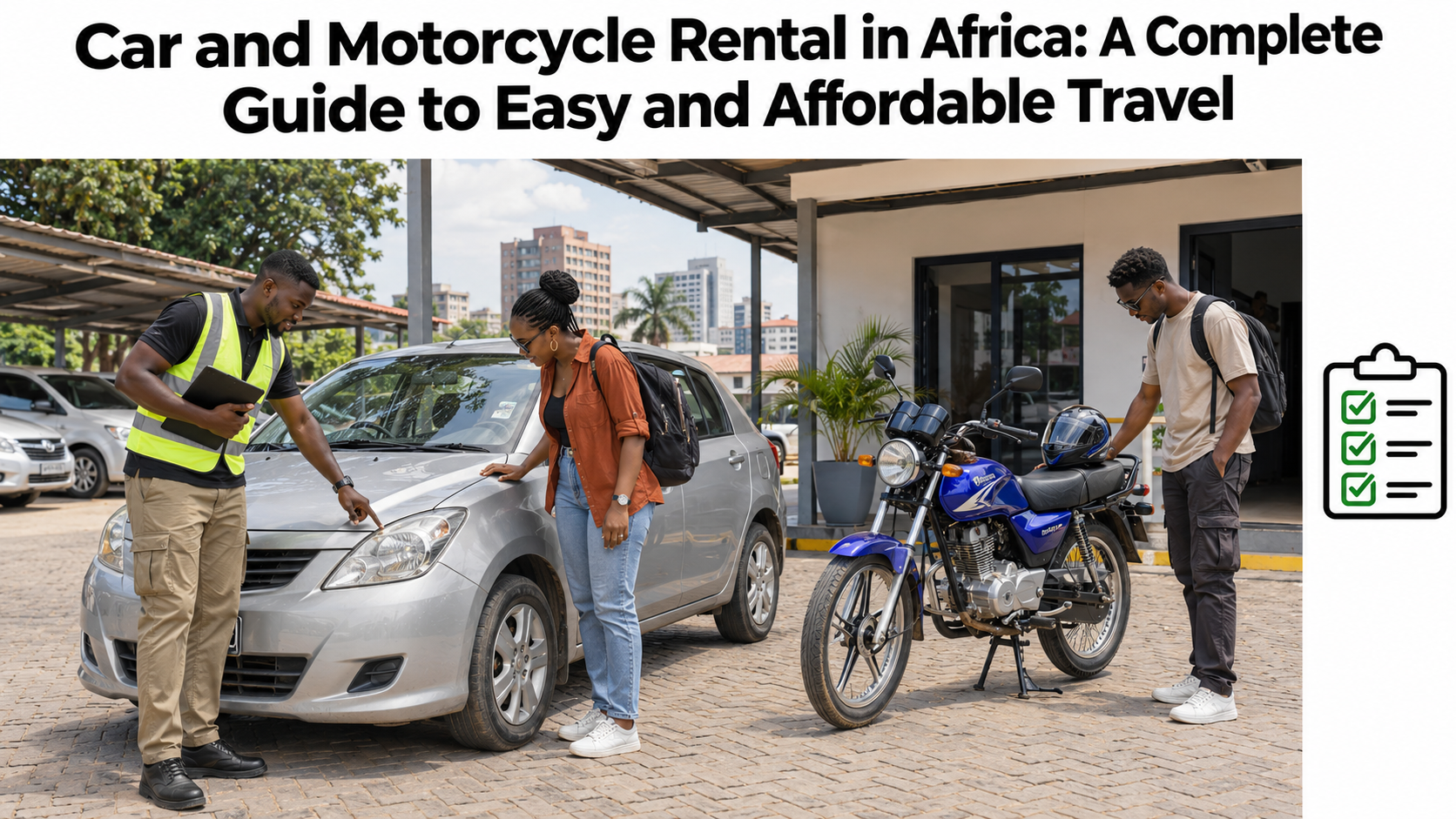
Check the rental terms before making a booking. Ask about the rental period, payment method, fuel rules, and return time. Confirm the vehicle’s condition before driving. Take clear photos of existing marks or damage.
Business owners can also plan rentals around specific tasks. For example, a company may need a car for a client visit. It may not need to own that car all year. A short rental can match the transport need more closely.
2. Car Hire Cape Town: Planning Transport Around Business Activities
Cape Town attracts visitors, professionals, and business teams. Their transport needs can differ. A visitor may want a car for sightseeing. A consultant may need one for meetings across the city. A small company may need transport for staff or equipment.
Start by listing the main travel needs. Consider the number of passengers, luggage, and daily distance. Also check where you plan to drive. A vehicle that suits city roads may not suit every longer route.
Compare the full rental cost. Do not focus only on the daily price. Ask about deposits, fuel, mileage limits, extra drivers, and late returns. These details can change the final amount.
Business travellers should also think about time. A suitable car can help them follow a planned schedule. However, they should allow time for traffic, parking, and vehicle collection.
A clear rental agreement helps both sides. It should explain the rental period, vehicle condition, payment terms, and return process. Read the terms before accepting the vehicle.
3. Motorcycle Rental Cape Town: Flexible Transport for Short Trips
Motorcycles can suit some short journeys in Cape Town. They may help riders move between nearby locations. Some people also consider them for work-related travel. However, a motorcycle does not suit every person or every trip.
First, check your riding experience. Choose a motorcycle that matches your skill level. Confirm that you hold the required licence. Wear a suitable helmet and protective clothing. Never treat safety gear as an optional expense.
Ask the owner or rental provider about the motorcycle’s condition. Check the brakes, lights, tyres, mirrors, and controls. Look for visible damage. Report any issue before you begin the trip.
People who use motorcycles for work should calculate their daily needs. Think about travel distance, parking, storage, and weather. A motorcycle may help with some local tasks. A car may work better when you carry passengers or larger items.
Renters should also confirm the rules for fuel, damage, mileage, and late returns. A short discussion before collection can prevent confusion later.
4. Motorcycle Rental Johannesburg: Matching Two-Wheel Transport to Work Needs
Johannesburg has many types of work and travel needs. Some people travel to meetings. Others move between customer locations. A motorcycle may offer a practical option for certain short trips.
However, riders must plan with care. Check the route before leaving. Consider road conditions, traffic, weather, and parking. Do not choose a motorcycle only because its rental price looks low.
A business that needs regular two-wheel transport should compare rental periods. A daily rental may suit an occasional task. A longer agreement may suit repeated use. Always compare the total cost and the responsibilities in each agreement.
Before collection, inspect the motorcycle. Check the tyres, brakes, lights, horn, and mirrors. Confirm that the registration and required documents are available. Ask what to do if the motorcycle develops a fault.
Owners should prepare their motorcycles before each rental. Keep service records and explain the controls. Clear instructions can help renters understand the vehicle. Both sides should agree on its condition before the journey starts.
5. Pickup Truck Rental Buea: Helping Small Businesses Move Goods
Pickup trucks can help businesses move tools, supplies, and other goods. They may suit shops, contractors, farms, and local service providers. A business can rent one when a task requires extra carrying space.
Choose a pickup based on the load. Estimate the weight and size of the goods. Check the vehicle’s stated load limit. Never overload the truck. Secure all items before driving.
Think about the route as well. Some roads may require extra care. A larger vehicle can need more space for turning and parking. The driver should feel comfortable handling the pickup.
A business should also plan the rental period. For example, a shop may need a pickup for stock collection. A contractor may need one for a short project. The rental should match the work schedule.
Before accepting the truck, inspect the tyres, brakes, lights, mirrors, and cargo area. Record any existing damage. Confirm fuel rules, mileage limits, payment terms, and return conditions.
6. Car Rental Gwanda Zimbabwe: Choosing Transport for Local Requirements
People visiting Gwanda may need a car for personal or work travel. A rental can help them manage trips when they do not have their own vehicle. It may also help businesses that need temporary transport.
Start with the purpose of the journey. A small car may suit a simple trip with limited luggage. A larger vehicle may help when several people travel together. Road conditions and travel distance should also guide the choice.
Ask about the documents needed to rent and drive the car. Confirm the accepted licence requirements. Check whether the rental agreement allows travel outside the planned area. Never assume that every rental permits every route.
Business users should plan the collection and return times. Delays can affect meetings, deliveries, and other work. Keep the provider’s contact details available during the rental.
Inspect the car before departure. Check the lights, tyres, brakes, fuel level, and visible body condition. Record existing damage. A clear inspection can help prevent disagreements when you return the vehicle.
7. Self Drive Car Rental South Africa: Managing Transport Without a Driver
Self-drive rentals give customers control over their travel schedule. The renter drives the vehicle instead of hiring a separate driver. This option may suit visitors, families, and business travellers.
Before booking, check the driving requirements. Confirm the licence rules, age limits, and accepted documents. International visitors should check whether their licence meets local requirements. Ask the rental provider if you need extra documents.
Plan your journey before collecting the car. Check the distance, route, parking options, and fuel stops. Keep enough time for unexpected delays. Avoid driving when tired.
Business users should set clear rules for staff who use rental vehicles. Only approved drivers should operate the car. Staff should follow the agreement and report damage quickly. Keep a record of collection and return times.
At collection, inspect the car with the provider. Check the tyres, lights, brakes, fuel level, and bodywork. Understand the breakdown process and emergency contact details. These steps help you manage the rental with care.
8. Electric Car Rental Cape Town: Considering Business and Personal Travel
Electric cars offer a different way to travel. They use electric power instead of a petrol or diesel engine. Some renters may consider one for city journeys. Businesses may also explore electric vehicles for suitable travel needs.
Charging access should guide the decision. Check where you can charge the car during your rental. Ask the provider about the charging cable and approved charging options. Do not assume that every route has convenient charging points.
Think about your daily distance. Review the vehicle’s stated driving range. Weather, speed, traffic, and driving habits can affect real-world range. Leave enough charge for your planned journey.
Businesses should also consider staff training. Drivers need to understand charging, battery information, and basic vehicle controls. A clear handover can help them use the car correctly.
Before booking, compare the full rental terms. Ask about charging costs, return battery levels, roadside support, and damage rules. These details can help you decide whether an electric car suits your journey.
9. Peer to Peer Car Rental South Africa: Connecting Vehicle Owners and Renters
Peer-to-peer car rental connects people who need vehicles with owners who may want to rent them out. This model can create another transport option. It can also help owners explore ways to use a vehicle when they do not need it.
Renters should review the listing carefully. Check the vehicle details, location, rental dates, and stated conditions. Ask questions when information is unclear. Confirm the full price and all extra charges before agreeing.
Owners should prepare their vehicles before accepting a booking. Keep the vehicle clean and maintain it properly. Check the documents and explain any important controls. Set clear expectations for collection, return, fuel, and vehicle care.
Both sides should keep written records. Take photos during handover. Confirm the fuel level and existing damage. Use clear messages to discuss changes or delays.
People can explore the peer-to-peer vehicle rental model through MotoShare Africa. Review the available information and terms before making a decision. Always confirm the details that apply to a specific listing and booking.
10. Rent Out Your Car South Africa: Preparing Your Vehicle for Rental
Some vehicle owners may consider renting out a car when they do not use it often. This choice needs planning. A rental can bring income, but it also creates responsibilities.
Start by checking whether your vehicle is suitable. Review its condition, service history, tyres, lights, and safety features. Keep its required documents current. Check your finance agreement, insurance terms, and local rules before offering it for rental.
Next, calculate your costs. Include servicing, cleaning, repairs, downtime, and other expenses. Do not treat every rental payment as profit. A vehicle may need maintenance after regular use.
Prepare clear rental terms. Explain the collection point, return time, fuel rules, mileage limits, and damage process. Confirm who may drive the car. Keep a record of each handover.
Owners should also plan for problems. A renter may return late or report a fault. Decide how you will handle communication and inspections. Clear rules can help both parties understand their responsibilities.
How Businesses Can Plan Vehicle Rentals More Carefully
Businesses should connect each rental to a clear work need. A delivery task may require a pickup. A client meeting may need a car. A short local trip may suit a motorcycle.
Create a simple rental plan. Record the purpose, vehicle type, rental dates, driver, and expected cost. This record can help managers review spending. It can also reduce confusion when several workers need transport.
Compare rental costs with the cost of owning a vehicle. Ownership may include servicing, insurance, licensing, repairs, and parking. Renting also has costs and limits. Compare both options using the same period and work needs.
What Vehicle Owners Should Check Before Renting
Owners should prepare before they accept a renter. Check the vehicle’s condition and required documents. Confirm that your insurance and other agreements allow the planned use.
Take clear photos before handover. Record the fuel level and any existing damage. Explain the vehicle’s main controls. Give the renter clear instructions about return time and communication.
Do not rely only on verbal promises. Keep important terms in writing. Clear records can help both sides understand what they agreed.
A Simple Rental Checklist for Both Sides
Before a rental begins, both parties should review the same basic details.
- Confirm the vehicle type and rental dates.
- Check the total price and payment terms.
- Review licence and document requirements.
- Inspect the vehicle and record existing damage.
- Confirm fuel, mileage, and return rules.
- Ask how to report a breakdown or accident.
- Keep contact details and booking records.
- Return the vehicle at the agreed time and place.
These steps do not remove every risk. They help renters and owners make informed decisions.
Frequently Asked Questions
1. Why should a business rent a vehicle instead of buying one?
A business may rent when it needs transport for a short project or occasional task. Renting can reduce the need for a large upfront purchase. However, managers should compare rental fees with ownership costs before deciding.
2. What should I check before renting a car in Africa?
Check the vehicle condition, rental price, licence rules, fuel terms, mileage limits, and return conditions. Ask about deposits and breakdown support. Read the agreement before accepting the car. Keep a record of existing damage.
3. Can a motorcycle suit daily business travel?
A motorcycle may suit some short trips and local work tasks. It may not suit every route, rider, or load. Check your licence, experience, safety gear, road conditions, and travel needs before renting one.
4. When should a business choose a pickup truck?
A pickup may suit work that involves tools, supplies, or goods. First, check the load size and weight. Confirm that the truck can carry the planned load safely. Also consider road conditions, parking, and driver experience.
5. What is peer-to-peer car rental?
Peer-to-peer car rental connects vehicle owners with people who need a car. The owner makes a vehicle available under agreed terms. Renters should review the listing, price, documents, and rental conditions before booking.
6. Can I rent out my personal car in South Africa?
You may explore this option, but check your insurance, finance agreement, legal duties, and other terms first. Prepare the vehicle and set clear rental conditions. Do not assume that a personal policy covers rental use.
7. What documents may I need for a self-drive rental?
Requirements can vary by provider and location. You may need a valid driving licence and identity documents. Some providers may request extra information. Ask for the exact requirements before booking or collecting the vehicle.
8. Is an electric car suitable for every rental journey?
No. The right choice depends on distance, charging access, and travel plans. Check the vehicle’s range and charging options. Ask about return battery rules. Plan charging stops before starting a longer journey.
9. How can vehicle owners reduce rental disputes?
Owners can use clear written terms and careful handovers. Record the vehicle’s condition with photos. Confirm the fuel level, mileage, and return time. Keep messages and booking details. These records can help both parties resolve questions.
10. How can I choose the right rental vehicle for my business?
Start with the task, passenger count, load, route, and rental period. Then compare suitable vehicle types and total costs. Review the agreement and driver requirements. Choose the option that meets the work need safely.
Final Thoughts
Vehicle rental can help people and businesses manage changing transport needs. Cars may suit meetings and family trips. Motorcycles can support some short journeys. Pickup trucks can help move tools and goods. Owners may also explore rental opportunities for suitable vehicles. However, every rental needs careful planning. Check the vehicle, documents, price, and agreement before you proceed. Owners should review their legal and insurance duties. Renters should follow the agreed terms and return the vehicle responsibly. A clear process helps both sides make better decisions. Choose the vehicle that fits the journey, not just the lowest price.
